
Climate Risk & Resilience
Overview
RYAM evaluates climate-related risks and opportunities as part of its broader approach to enterprise risk management, operational resilience, and long-term business planning.
Our operations depend on long-lived manufacturing assets, renewable forest resources, transportation networks, energy infrastructure, and global supply chains. As climate conditions evolve, RYAM assesses both physical and transition-related risks that may affect our operations, customers, suppliers, and communities.
This work helps inform planning, operational decision-making, capital investment evaluations, and resilience strategies across our business.
Understanding Climate Risk RYAM evaluates climate-related risks through a combination of physical risk assessments and transition risk analysis.
Physical Risks
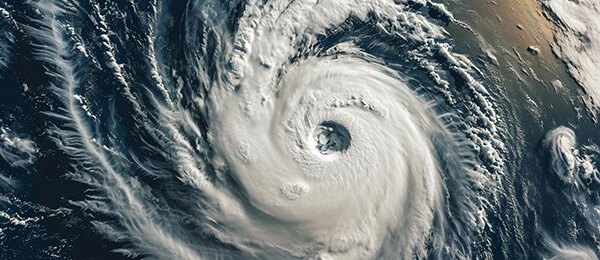
Physical risks are associated with changing climate conditions and weather-related impacts that may affect facilities, infrastructure, supply chains, and business continuity.
Examples include:
- Flooding and storm surge
- Tropical cyclones and severe weather
- Extreme heat
- Drought
- Wildfire exposure
- Water-related impacts

Transition Risks
Transition risks arise from the global shift toward a lower-carbon economy and may include:
- Energy market changes
- Carbon pricing mechanisms
- Evolving environmental regulations
- Technology shifts
- Customer expectations regarding sustainable products
These factors are evaluated alongside broader business and market considerations.
Climate Risk Assessment
RYAM maintains a structured climate-risk assessment process designed to identify and prioritize risks across its operating footprint.
The process begins with a portfolio-level assessment that evaluates climate-related exposure across facilities, suppliers, and other locations important to business continuity. This assessment considers multiple climate variables and future climate scenarios over different time horizons.
Priority facilities are then evaluated through detailed site-level assessments using location-specific climate, flooding, terrain, and meteorological information. Findings are used to better understand site-specific vulnerabilities, support resilience planning, and identify future risk-mitigation opportunities.
RYAM has completed detailed climate risk assessments for its four primary manufacturing facilities:
| Facility | Key Climate Considerations |
| Fernandina Beach, Florida | Flooding, storm surge, tropical cyclones, and extreme heat |
| Jesup, Georgia | Extreme weather, flooding, tropical cyclones, and heat-related risks |
| Temiscaming, Quebec | Riverine flooding and wildfire exposure |
| Tartas, France | Drought conditions and wildfire exposure |
These assessments support operational planning, emergency preparedness, business continuity evaluations, and long-term resilience planning.
Managing Climate Risk & Building Resilience
Climate risk assessment at RYAM is an ongoing management process rather than a one-time exercise.
Each of RYAM’s four primary operating sites reviews their site-specific climate risk profiles with RYAM’s Enterprise Risk Management (ERM) Committee annually.
As part of this process, facility leadership evaluates:
- Current site resilience and preparedness activities
- Changes in facility conditions or operating environments
- Progress on previously identified mitigation actions
- Future risk-mitigation opportunities and planning priorities
The results of these reviews help inform resilience planning across the business. Depending on site-specific conditions and operational priorities, this may include evaluation of:
- Flood preparedness and response measures
- Infrastructure resilience
- Emergency response capabilities
- Severe-weather preparedness
- Heat-related operational planning
- Asset reliability and business continuity measures
Climate-related considerations are also incorporated into broader discussions regarding operational performance, capital investments, risk management, and long-term strategic planning. This approach helps ensure climate risks and resilience opportunities remain integrated into ongoing business decision-making.

Scenario Analysis
RYAM uses climate scenario analysis to better understand how different climate and policy pathways could affect future operations.
These assessments consider a range of potential futures, including:
- Current policy pathways
- Increasing climate-policy ambition
- Net-zero transition scenarios
The analyses evaluate potential impacts associated with:
- Energy and fuel markets
- Carbon pricing
- Regulatory developments
- Technology adoption
- Market demand trends
Using multiple scenarios helps RYAM evaluate resilience under a range of possible future conditions rather than relying on a single outlook.
Climate Opportunities
RYAM also evaluates opportunities associated with the transition to a lower-carbon economy.
As a manufacturer that transforms renewable forest resources into cellulose-based products, RYAM sees opportunities associated with:

Renewable and bio-based materials
Advanced biofuels
Bioenergy development

Process innovation

Energy-efficiency improvements

Sustainable product applications
These opportunities align with RYAM’s strategy of maximizing the value of renewable forest resources while supporting evolving customer needs and market demand for sustainable solutions.
Continuous Improvement
Climate science, stakeholder expectations, regulations, and market conditions continue to evolve.
RYAM periodically reviews climate-related risks and opportunities, refines its assessment methodologies, and evaluates opportunities to strengthen resilience across its operations and value chain.
By maintaining a proactive approach to climate risk management, RYAM seeks to support safe, reliable, and sustainable operations while continuing to deliver value for customers, employees, communities, and shareholders.