HC
Turn On High Contrast Mode for Improved Visibility

At the Fernandina Plant, Bryan Robison approaches engineering with the same mindset that helped him achieve a personal record at the Boston Marathon: discipline, resilience, and a commitment to steady progress.
As Group Leader of Process Engineering, Bryan leads mill performance initiatives, mentors engineers, and supports projects that advance operational excellence across the site. What keeps the role engaging, he says, is the constant variety.
“One day you’re analyzing pulp machine data, and the next you’re running a defoamer trial in the bleach plant,” Bryan said. “That’s what I enjoy most about process engineering — every day brings a different challenge.”
Bryan returned to process engineering because it allowed him to combine technical problem-solving with leadership and mentorship. Developing young engineers and helping teams navigate complex challenges has become one of the most rewarding aspects of his career.
One project that stands out is the methanol condenser SO₂ recovery initiative. The effort changes how the mill processes evaporator non-condensable gases, allowing sulfur dioxide to be recovered and reused instead of discharged to the sewer system. In addition to improving environmental performance, the project helps offset rising chemical costs affecting the industry.
“What made the project especially rewarding was the collaboration behind it,” Bryan shared. “Process engineering, project engineering, environmental, and operations all worked together seamlessly to move it forward.”
For Bryan, successful engineering starts with technical knowledge, but curiosity and persistence are what drive meaningful progress.
“Curiosity pushes engineers to keep learning and develop new solutions,” he explained. “And determination matters because most difficult problems aren’t solved on the first attempt.”
To stay current with industry advancements, Bryan remains active in TAPPI and works closely with vendors and technical partners to learn from innovations and case studies across the pulp and paper industry.
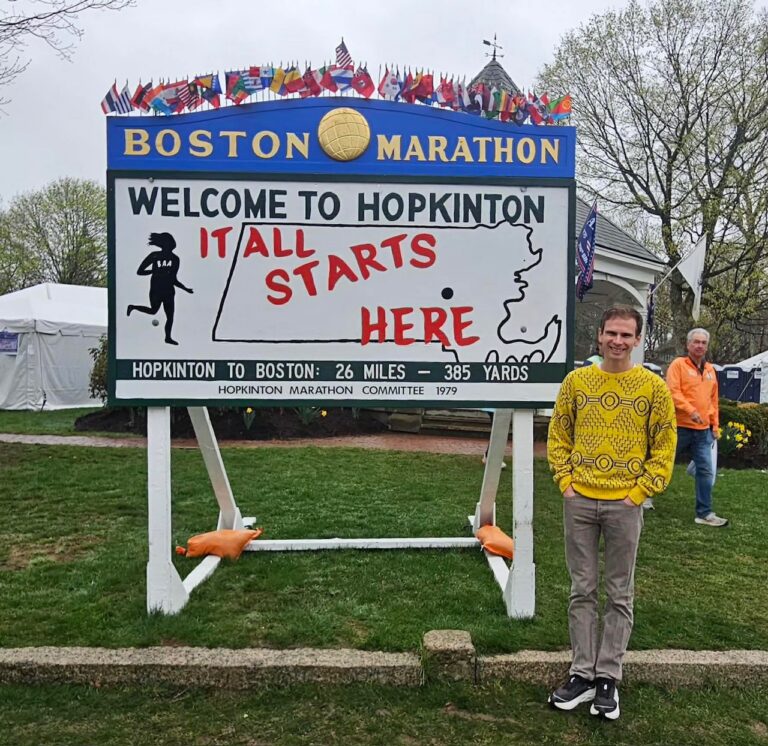
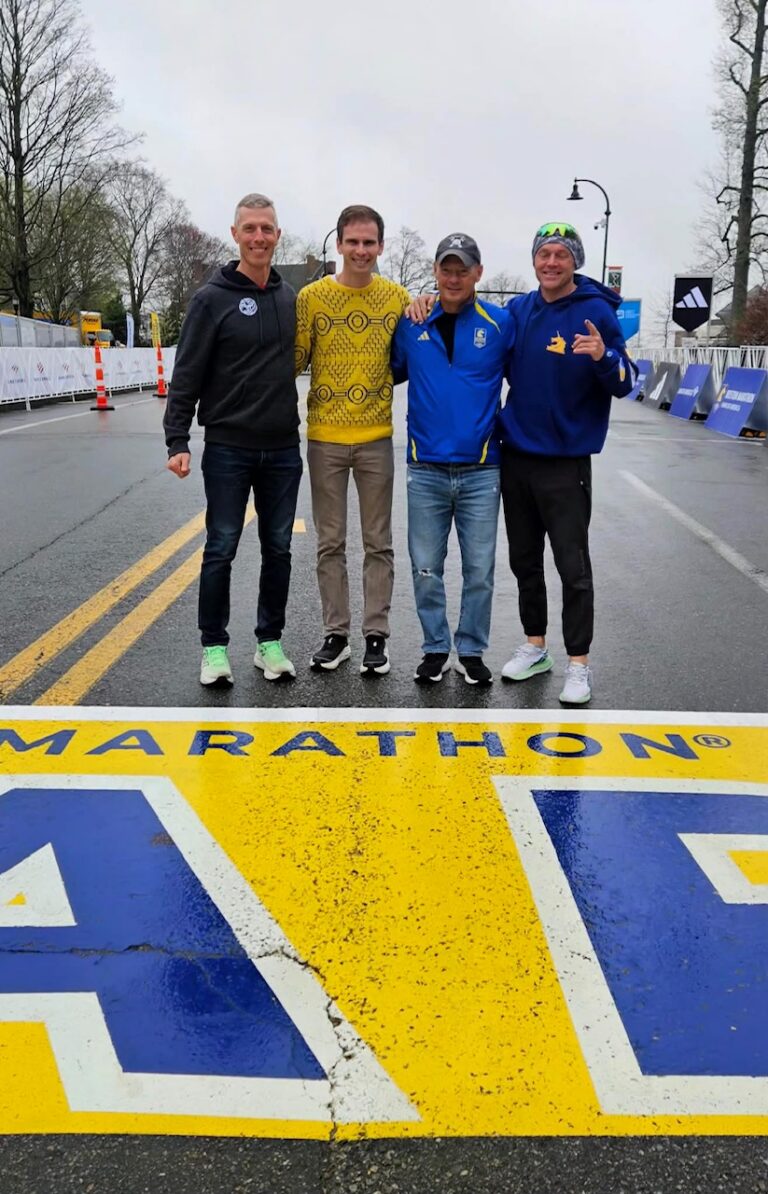
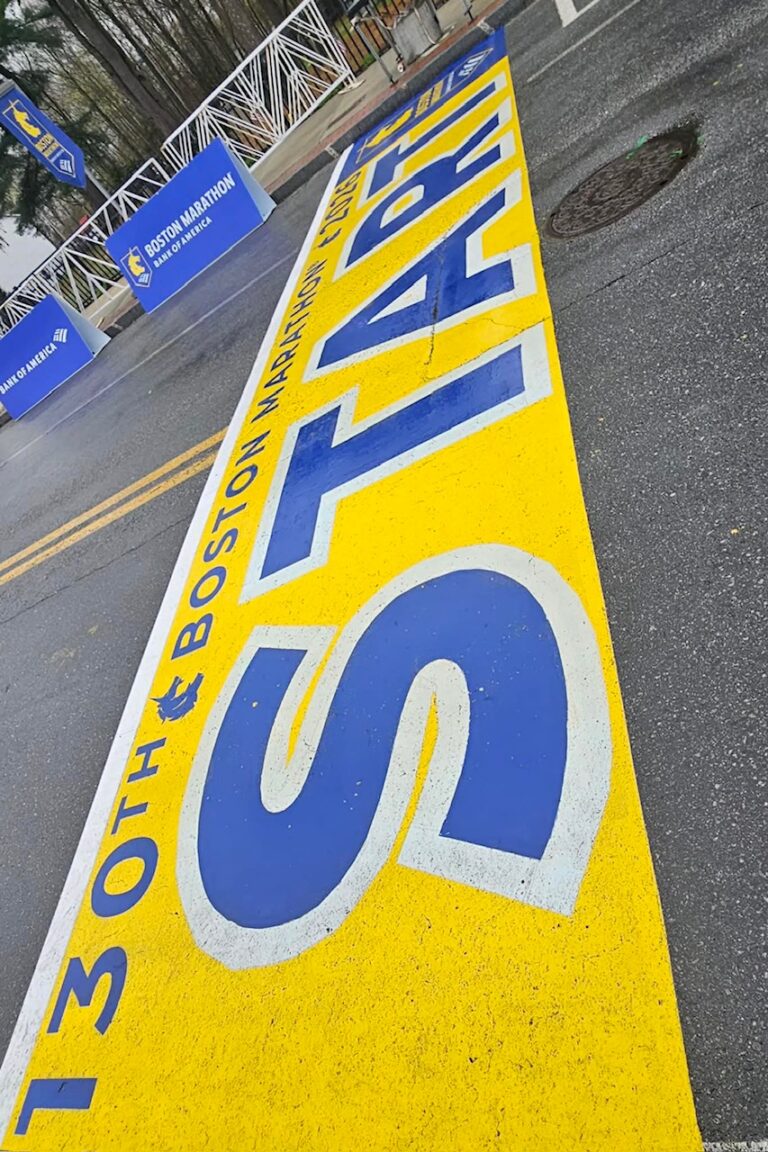
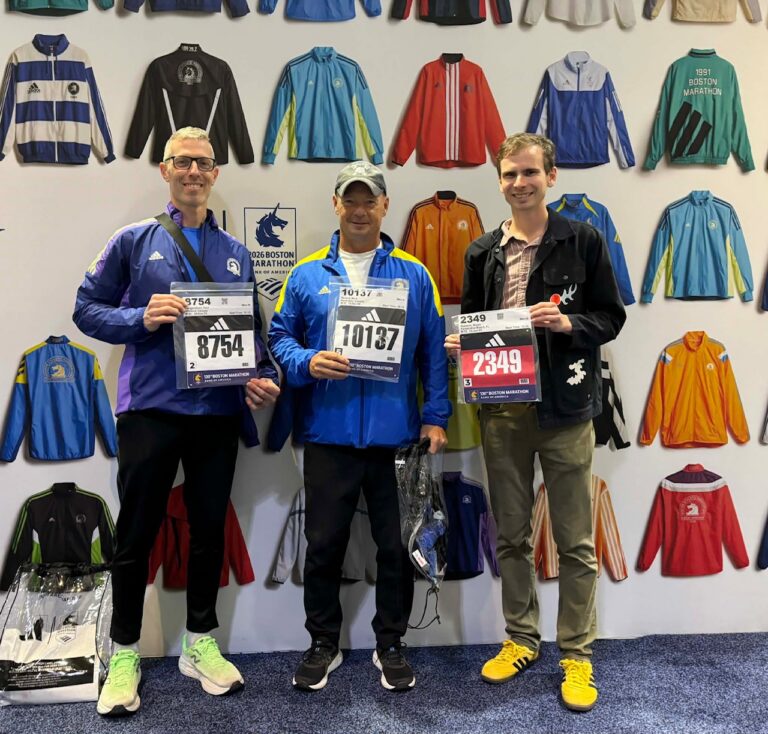
Outside the mill, Bryan brings that same long-term mindset to endurance running. Earlier this year, he completed the Boston Marathon — one of the world’s most prestigious races — with a sub-three-hour finish and a personal-best time more than four minutes faster than his previous record.
“The Boston Marathon is a bucket-list race for runners because of the qualifying standard,” Bryan said. “Getting there required years of consistent training.”
Preparing for the race meant balancing interval workouts, recovery runs, and weekly long runs ranging from 16 to 22 miles — often in Florida’s heat and humidity.
“The hardest part is the summer training,” he said. “You’re running for nearly two hours in high humidity, so hydration and managing heat stress become critical.”
Crossing the finish line brought both excitement and relief.
“There were thousands of people cheering, and the energy pushes you to give everything you have,” Bryan recalled. “At the same time, your body is relieved because those final miles are a real test physically and mentally.”
Bryan believes the same principles that drive success in marathon training also apply to professional growth: consistency, resilience, and focusing on incremental improvement over time.
His advice for anyone pursuing ambitious goals is straightforward:
“Break large goals into smaller, manageable milestones. It gives you opportunities to celebrate progress along the way and helps maintain momentum. Most importantly, enjoy the work you’re doing and surround yourself with people who motivate you to improve.”
Whether leading engineering initiatives at Fernandina or training before sunrise for a marathon, Bryan’s approach reflects a belief that long-term success is built one step at a time.
Related posts